Cold Case Program lets students reopen unsolved cases
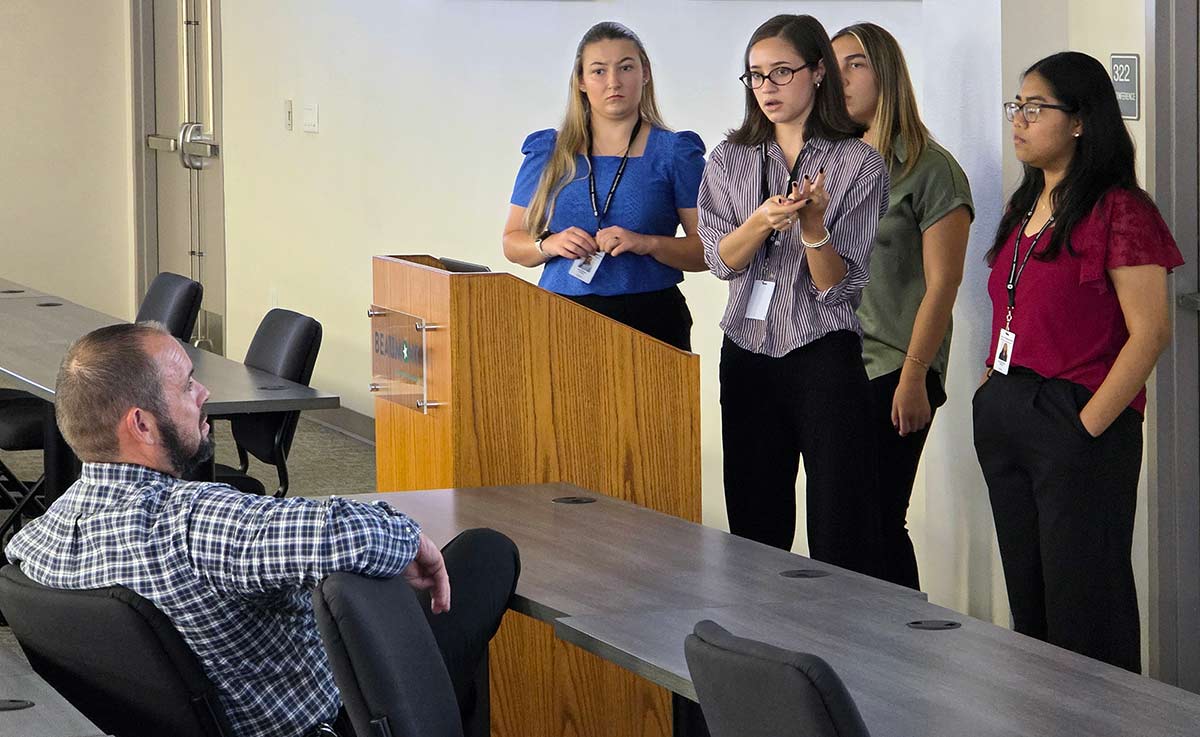
Lamar University’s criminal justice department implemented their new cold case program in August, which allows students to work with the Beaumont Police Department to solve cold cases while gaining internship hours towards their criminal justice degree.
“It’s probably been three years in the making for the cold case to develop and the strategy on how we’re going to run the course,” Karen Roebuck, LU director of internships and career services, said. “But also to get a police department or an enforcement agency to be willing to work alongside us. We’ve been very fortunate that the BPD decided to work with us, because they know the integrity and quality of our kids.”
Most police departments in Texas do not have a designated cold case squad, Lt. James Sliger of BPD’s criminal investigations unit, said.
“Civilians are helping us with the manpower problem that exists in law enforcement nationwide,” he said. “Now we have a group of very dedicated and eager people that are very excited about working on these cases on their own, and now we can start ahead of the curve rather than behind the curve.”
Each semester, criminal justice students who are at the end of their junior year can apply for the program. Students will be selected based on certain criteria and will have a background check before starting the program.
Cheng-Hsien Lin, program director of criminal justice, said students are selected based on their qualifications because the program does not want to throw the students in and fail — they want them to be ready.
The program includes two groups of four students who work on an individual case.
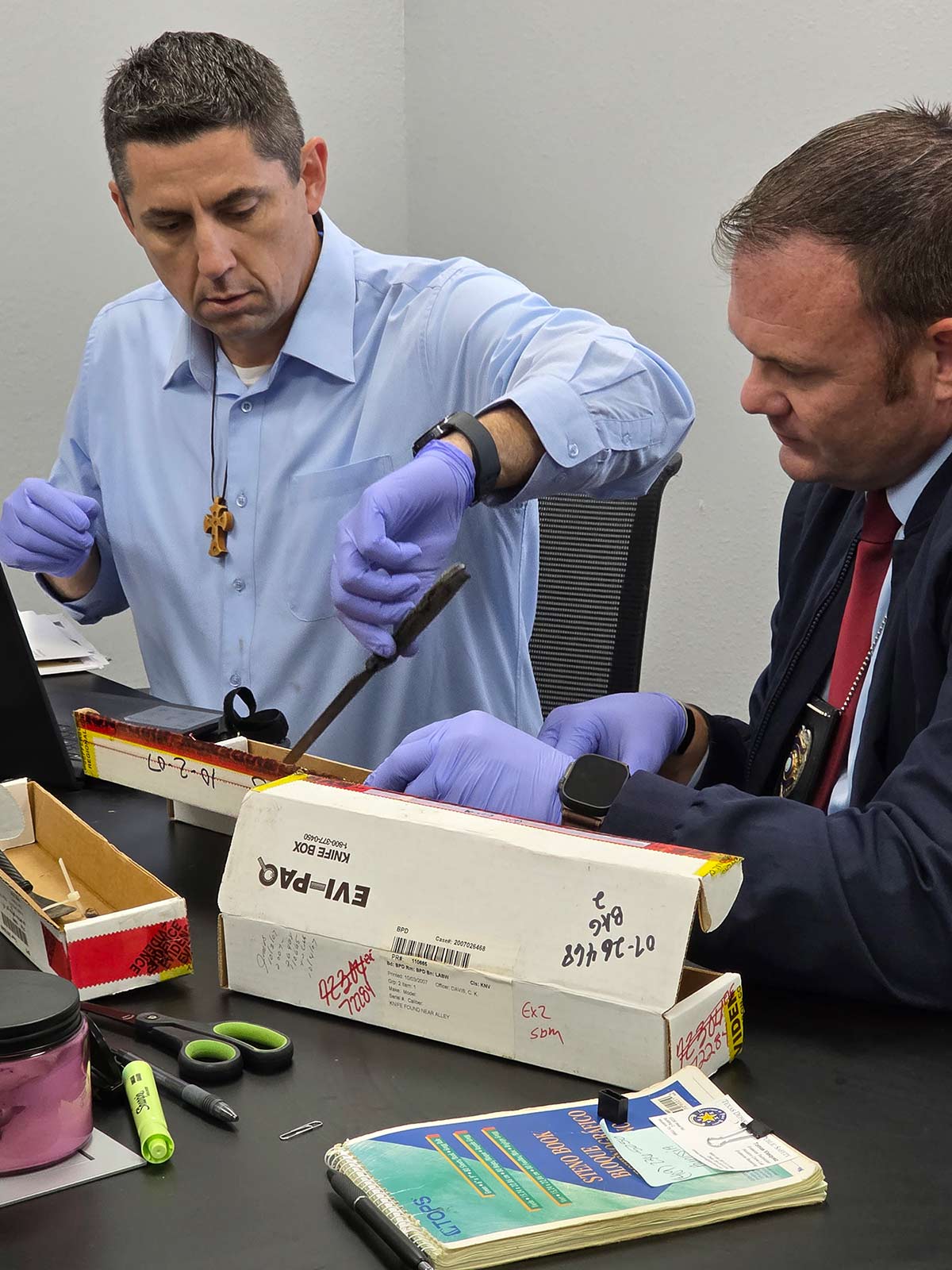
Roebuck said students will take old paperwork and digitize it. They will look at every record to organize the timeline and evidence to come up with new leads and writing reports.
Lin said students will not handle anything that will be considered a risk, such as interviewing potential suspects or witnesses.
Jobs that require contact with individuals or handling important evidence will be assigned to detectives assisting the two groups.
Both groups have found leads that can be followed up on, Sliger said.
“They’re almost done with these two cases, and once they finish up, I will probably start them with another one,” he said. “ If they do not finish the new cases, I’ll pass it on to the next group. But that next group will be that much ahead because this group has already started their timelines.”
At the end of the internship, the groups will present a narrative, a police report of what they did step-by-step, what they learned and what steps they took in a PowerPoint to their professors and law officers.
Based on their findings, the police will take the next step with the case, whether that be pushing for an arrest, new testing, or, in some cases where the case has no further leads, the case will have at least been brought up to date, Sliger said.
The ultimate goal is to close the cases and make an arrest, Sliger said, but unfortunately it cannot always happen.
“A lot of these victims’ families believe that their cases are not being looked at, or the police are not doing anything about it,” he said. “Now, I’ll be able to bring these families in and show not only has BPD shown interest, but a whole group of civilians in LU have dedicated a lot of time to these cases.”
Sophia Lewis, criminal justice major in the cold case program, said the students are honored to serve the community, and potentially provide closure for the victim’s families.
“Working alongside the detectives of BPD, we have gained a well-rounded understanding of how criminal investigations operate,” she said.
The internship provides the students work experience and also provides real example scenarios to show to potential employers, Sliger said.
Roebuck said the program is developing individuals not just educationally, but for the field, and that’s the end game for the university.
“Every minute that they are out there in the field, (law enforcement) gets to observe and watch what our student population is like and what they do well. Hopefully, when it’s all said and done, they secure employment.”
For more information, contact Roebuck at 409-880-8547, or email karen.roebuck@lamar.edu.