
Border control should not supersede environmental protections
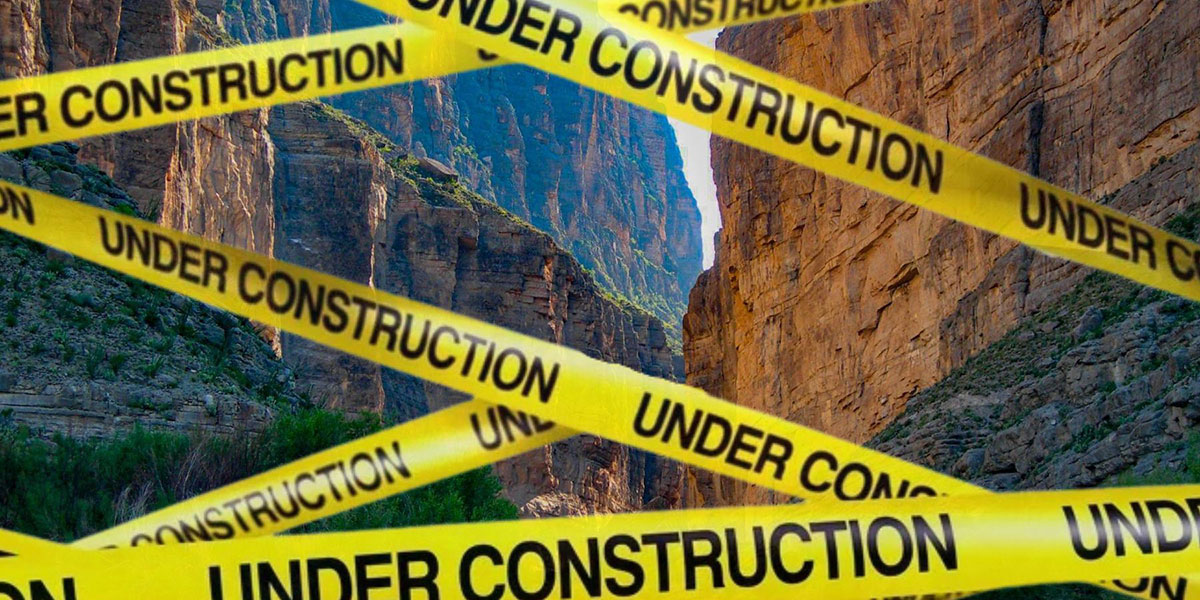
Big Bend National Park is rich in history and diverse in nature. Big Bend has provided education and solace to visitors since it was designated a national park in 1944.
However, Big Bend needs America’s help now.
Earlier this year, three waivers of environmental and conservation laws were issued by Secretary’s of Homeland Security Kristi Noem and Markwayne Mullin to authorize construction of a border wall in the Big Bend region.
In October, U.S. District Judge Kathleen Cardone temporarily barred the Department of Homeland Security from construction “until and unless” the government complied with environmental laws, according to scotusblog.com.
However, on Nov. 9, Supreme Court justices granted the government’s request to pause Cardone’s order and resume construction in an unsigned four-page opinion.
There has always been an understanding that national parks are lands of preservation. However, that preservation is now at risk with the construction, which includes 30-feet-tall steel barriers, surveillance systems and patrol roads, along with other infrastructure.
Heightened construction poses risk to the wildlife that calls Big Bend home. Whereas the creatures may be accustomed to human interaction on a small scale with park visitors and staff, heavy construction presence can disrupt the natural ecosystem to the point of no return.
It is no secret that construction can often force wildlife out of their natural habitats. If the concern is protecting the integrity of one’s homeland, that same luxury should be afforded to all creatures — not just American citizens.
No matter how a person feels about immigration issues, Big Bend historically has had fewer people than other areas attempt to cross into the United States due to the rugged landscape. Big Bend has large canyons and is notably very hot, making travel difficult.
Therefore, the idea of placing border control over environmental preservation is one that is baseless and unconstitutional. One issue should not be placed above the other. Environmental protections should not be given up in exchange for border patrol infrastructure.
While opposing large government entities like DHS can seem daunting, there are things the average citizen can do to voice their opinion.
Call state representatives and urge them to stand up for Big Bend. Advocate for the protection of Big Bend’s environment. Let citizens’ voices be heard in defense of America’s national resources.
Big Bend National Park needs our help. The environment may not have a voice of its own, but citizens can use theirs to defend it.