Moving thousands of miles from home to attend college brings more than a change of scenery. For Lamar University’s international student-athletes, adjusting to Beaumont can mean learning new things.
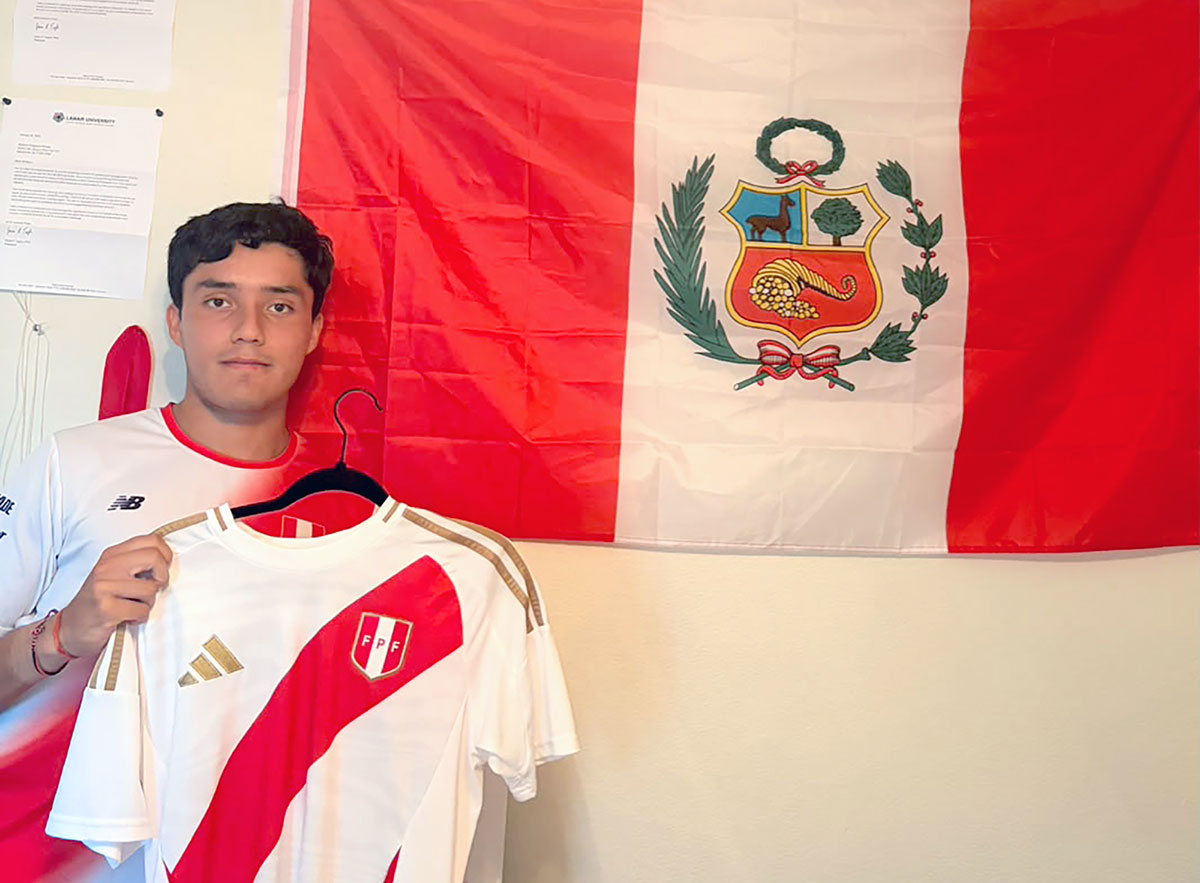
Stefano Chappuis, a senior tennis player from Lima, Peru, said one of his biggest adjustments was becoming responsible for everyday tasks he used to share with his family.
“I don’t live at home with my family, my brother, my mom and my dad,” he said. “It makes me have more responsibilities on a day-to-day basis.”
Chappuis said the difference between Lima and Beaumont became obvious when he tried to get around town.
“Lima is a city of 11 million people,” he said. “You can get around with a bus, walking or maybe using a bike. But in the U.S., if you’re gonna want to go somewhere outside of campus, it’s really hard to move or transport yourself without someone to give you a ride.”
Transportation is not an isolated problem, Dylano Bemelen, LU senior international student service specialist, said the lack of reliable public transportation is one of the most common challenges international students face.
“Not having reliable public transportation or access to a car is a major hurdle to overcome,” he said. “At the end of the day, once you get that car, that’s when the real shift occurs.”
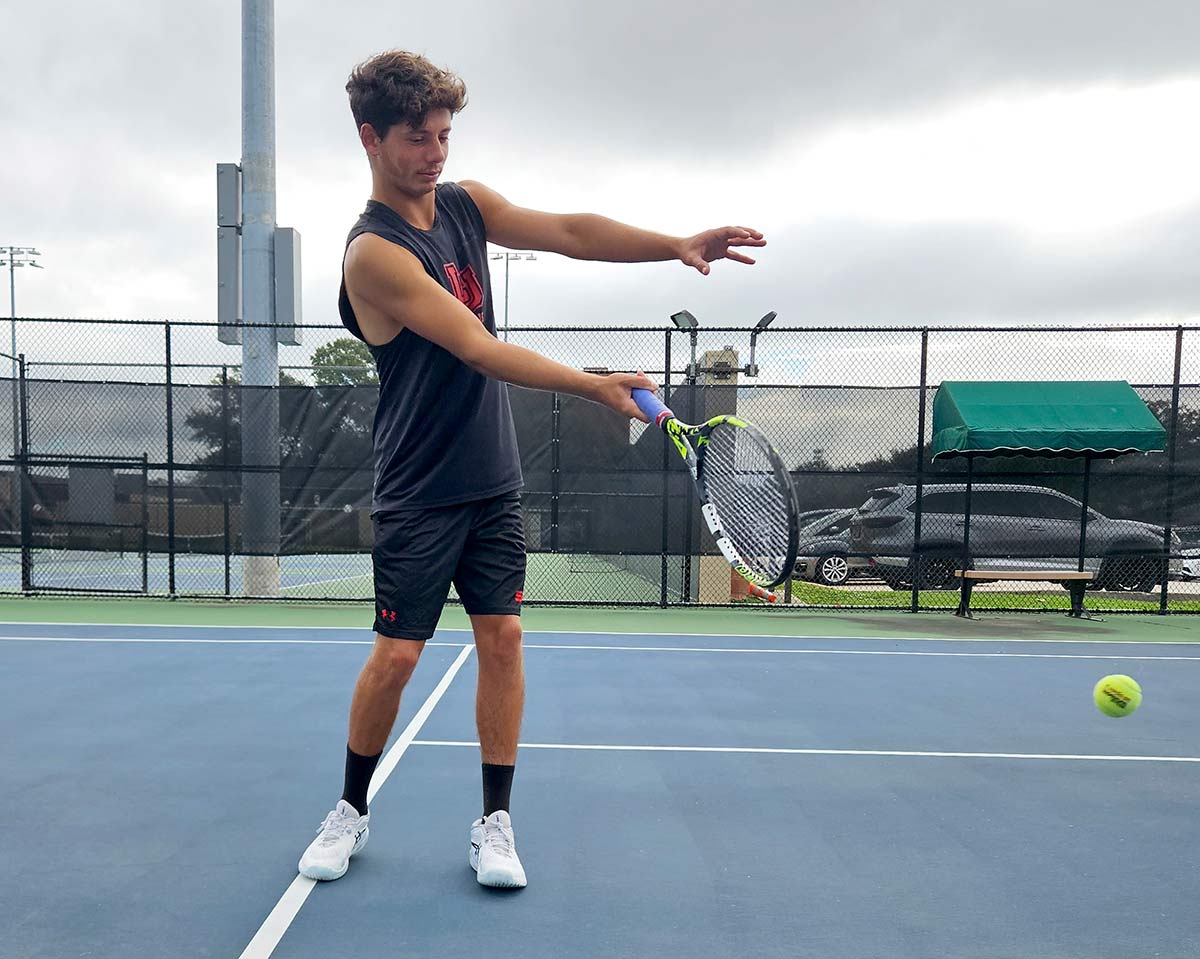
For Louis Doapeau, a tennis player from Paris, adapting also means changing how he eats.
“I have to cook for myself if I want to stay healthy,” he said. “The weather was pretty different compared to France. It’s so humid here.”
Doapeau said Beaumont is also much more spread out than his hometown.
“Everything is so close in Paris,” he said. “In Paris, you have to walk or you have to take a bus. It’s different.”
Southeast Texas humidity is especially noticeable for athletes who practice outdoors, Federico Crisdofaro freshman track athlete from northern Italy, said.
“I didn’t expect it to be this humid here in Texas,” he said. “It’s hot in Italy, the same as in Texas, but here there’s more humidity. Since I do track, I practice in the morning, and all this sweat doesn’t go away.”
Bemelen said international student-athletes on F-1 visas must maintain full-time enrollment and coursework, while also balancing practices, competitions and classes.
“Being an athlete is tough — being a student is tough,” Bemelen said. “But coming into a brand-new country that you’ve never lived in before and being expected to perform at your highest level at all times — that can be definitely a mental strain on oneself.”
International Student Programs and Services help with visa requirements, Bemelen said, and also partner with other campus services and organizations to help students adjust. The office organizes cultural events and works with the Student Health Center and TimelyCare, among other resources.
For the athletes, teammates are another source of support. Crisdofaro said his teammates helped him feel included after arriving at Lamar.
“They’ve been really sweet and kind,” he said. “They just put me into the group. Everyone was talking to me, trying to make me feel comfortable.”
Doapeau said his experience has allowed him to pursue something that is more difficult to do in France — continue his education while competing in tennis.
“You’re not just here to study,” he said. “You’re here for something else, something bigger than yourself — representing the school.”
Despite the challenges, Chappuis said the people he has met in Southeast Texas have made the transition easier.
“People are way nicer, way more welcoming, especially with people that are not from here,” he said. “If I could just choose one thing, I’m taking the quality of people that I have met in my experience in Southeast Texas, especially with how willing the people are to help me.”
For international athletes, adjusting to Beaumont goes beyond learning a new campus. It means learning how to live independently while balancing academics and athletics in a country far from home.