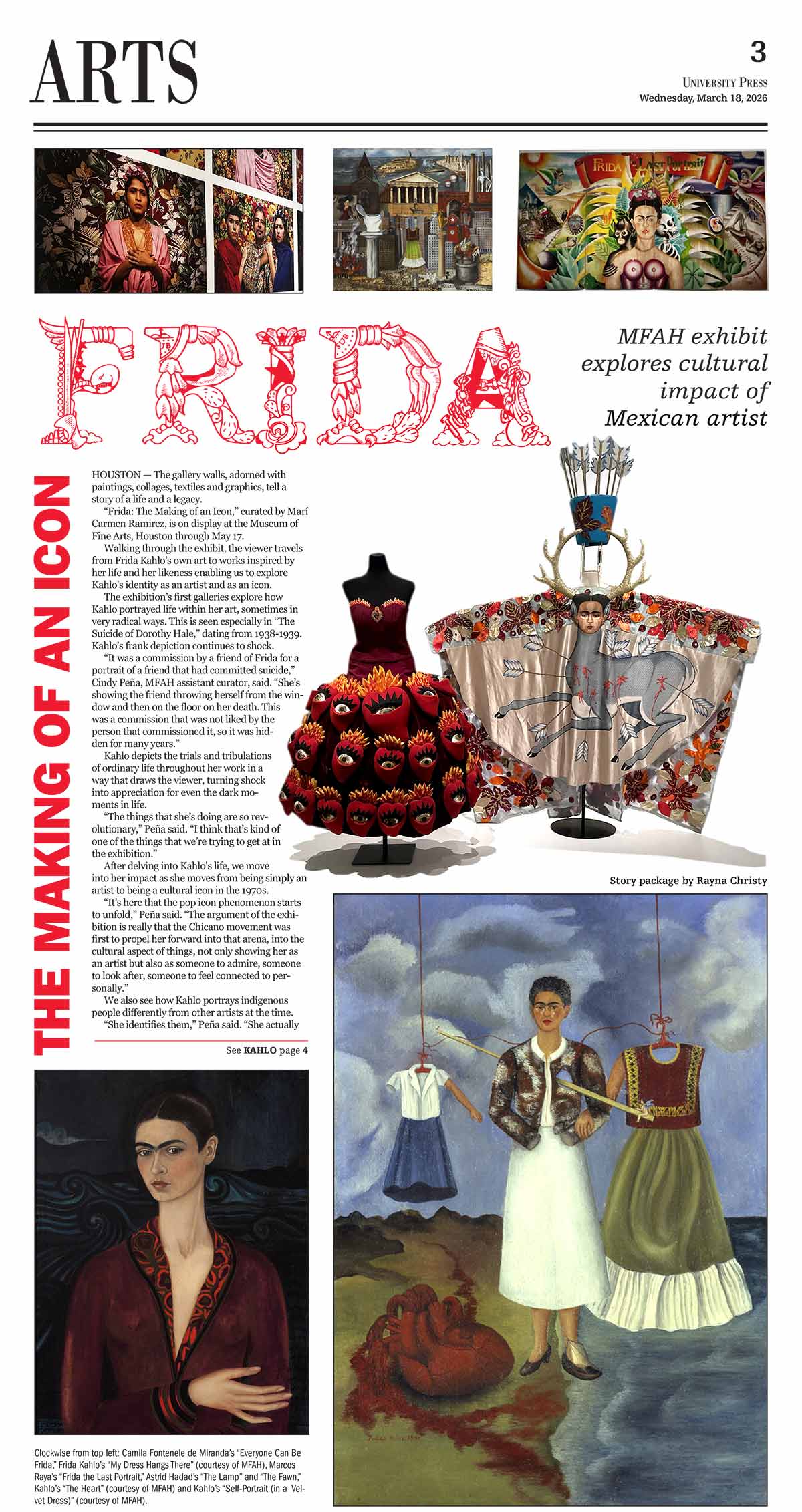
HOUSTON — The gallery walls, adorned with paintings, collages, textiles and graphics, tell a story of a life and a legacy.
“Frida: The Making of an Icon,” curated by Marí Carmen Ramirez, is on display at the Museum of Fine Arts, Houston through May 17.
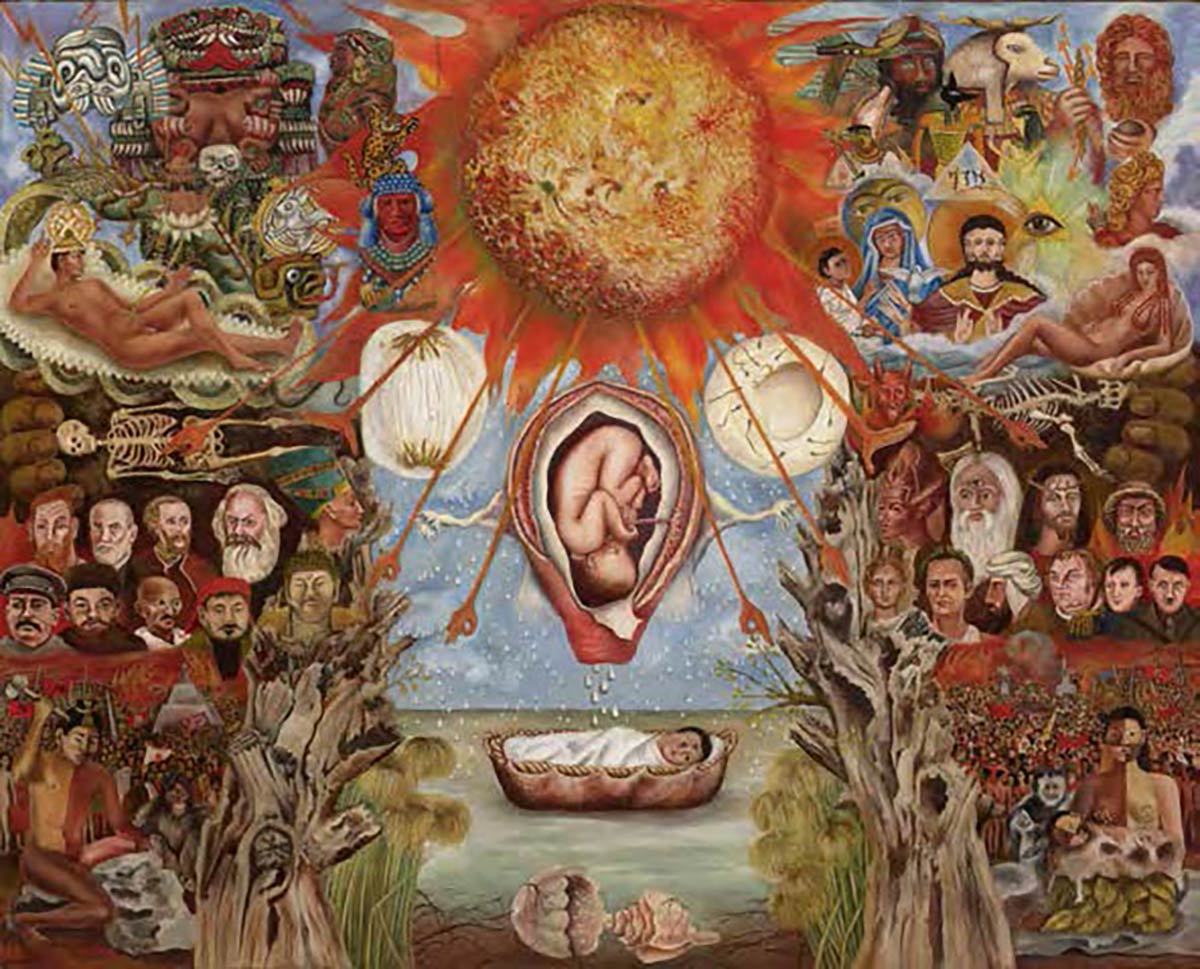
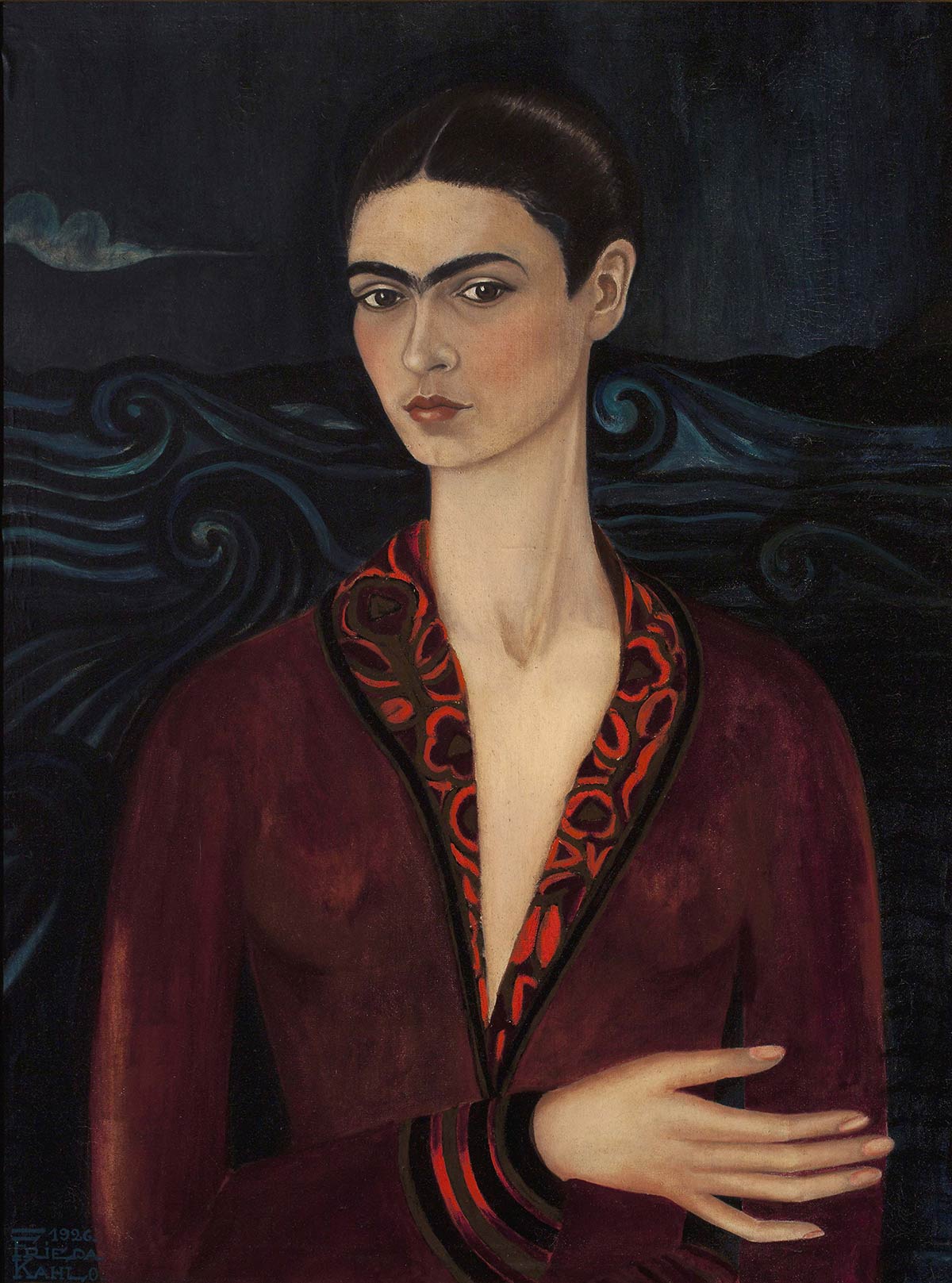
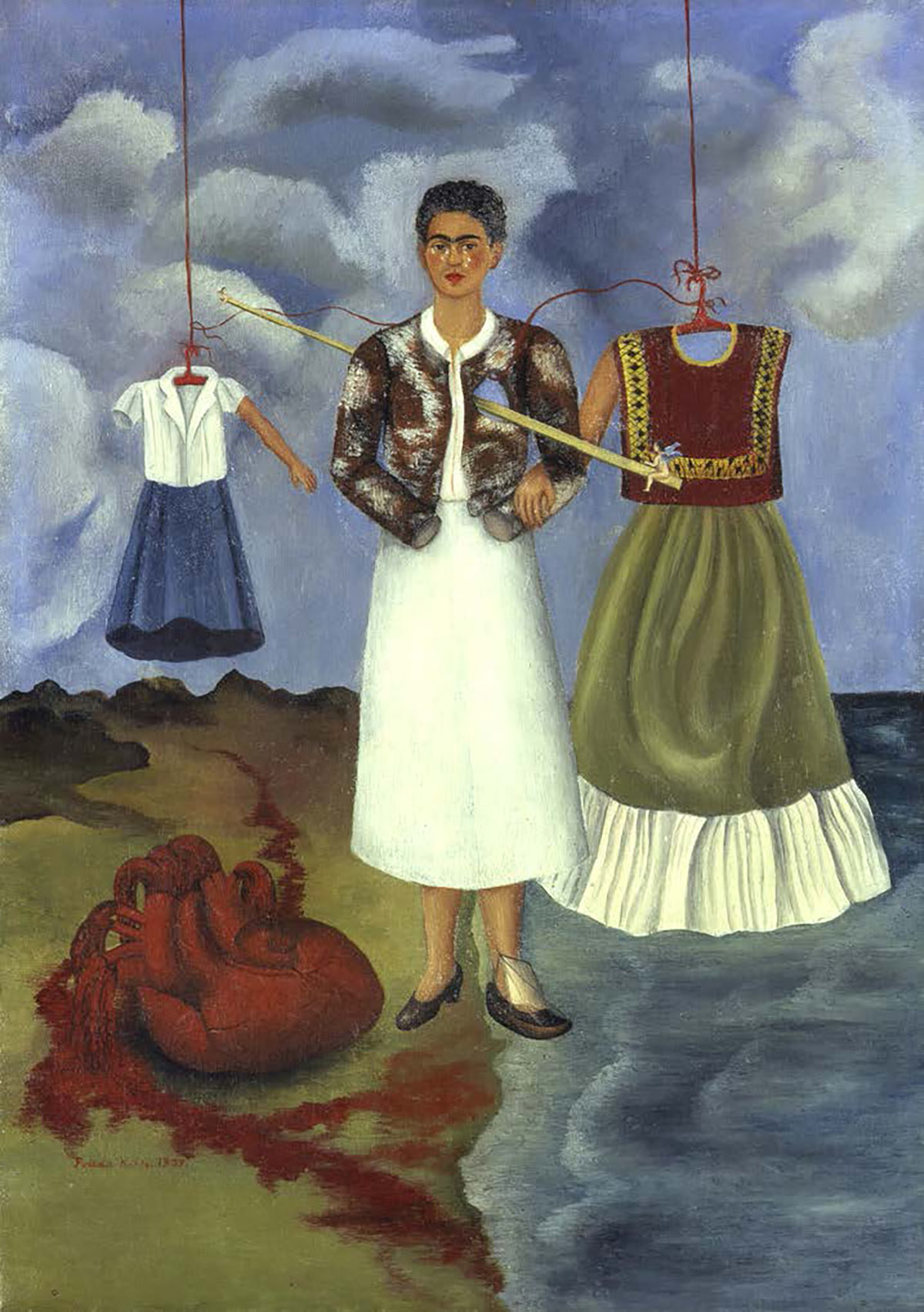
Walking through the exhibit, the viewer travels from Frida Kahlo’s own art to works inspired by her life and her likeness enabling us to explore Kahlo’s identity as an artist and as an icon.
The exhibition’s first galleries explore how Kahlo portrayed life within her art, sometimes in very radical ways. This is seen especially in “The Suicide of Dorothy Hale,” dating from 1938-1939. Kahlo’s frank depiction continues to shock.
“It was a commission by a friend of Frida for a portrait of a friend that had committed suicide,” Cindy Peña, MFAH assistant curator, said. “She’s showing the friend throwing herself from the window and then on the floor on her death. This was a commission that was not liked by the person that commissioned it, so it was hidden for many years.”
Kahlo depicts the trials and tribulations of ordinary life throughout her work in a way that draws the viewer, turning shock into appreciation for even the dark moments in life.
“The things that she’s doing are so revolutionary,” Peña said. “I think that’s kind of one of the things that we’re trying to get at in the exhibition.”
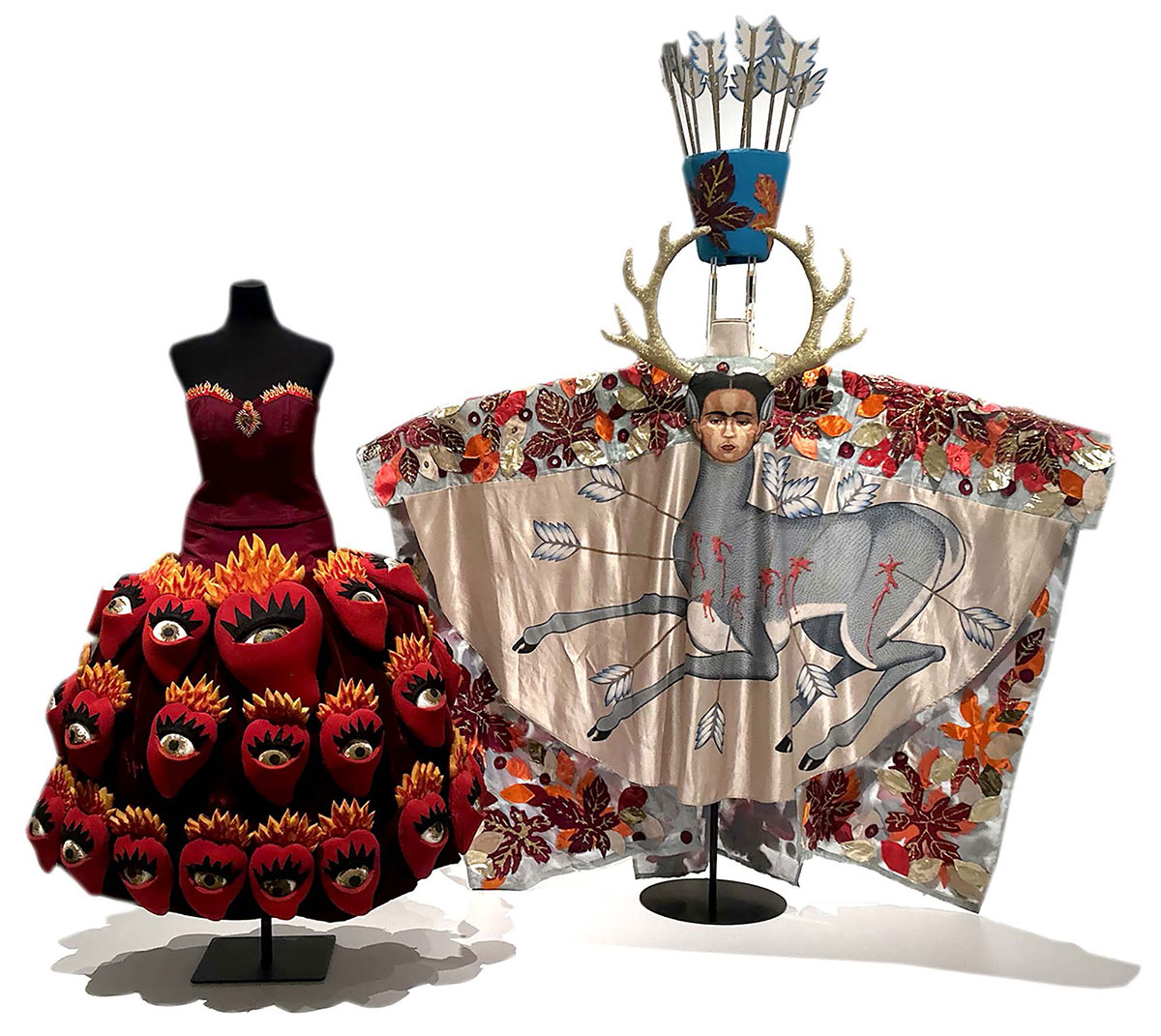
After delving into Kahlo’s life, we move into her impact as she moves from being simply an artist to being a cultural icon in the 1970s.
“It’s here that the pop icon phenomenon starts to unfold,” Peña said. “The argument of the exhibition is really that the Chicano movement was first to propel her forward into that arena, into the cultural aspect of things, not only showing her as an artist but also as someone to admire, someone to look after, someone to feel connected to personally.”
We also see how Kahlo portrays indigenous people differently from other artists at the time.
“She identifies them,” Peña said. “She actually makes her faces knowable and recognizable. For Frida, it’s very much about representing the individual, honoring them and giving them a prominent place, saying their portraits are just as worthy of doing as anybody else’s.”
Other pieces in this section of the exhibit highlight Chicano works inspired by Kahlo, whether that be her works or her likeness, before moving on to how she impacted the female experience in art.
“In the 1970s and ‘80s. Frida was rediscovered by several groups of feminist academics and scholars,” Raquel Carrera, curatorial associate, said. “Frida was raised as an icon of womanhood.”
Kahlo had many miscarriages during her life, and Carrera said that she represented that in her work a lot, but sometimes in unprecedented ways, such as in “the Henry Ford Hospital.”
“Frida is crying, she’s having a miscarriage, but she’s not representing herself,” Carrera said. “She’s a woman owning her thoughts, owning her situation, owning whatever is happening to her at the moment.
“This is unprecedented because the woman having the miscarriage is the one depicting herself, she’s the one representing the situation. It;s not the maternity represented from the gaze of the male artist.”
Along with miscarriages, Kahlo depicts domestic violence, specifically in her piece “A Few Small Breaks.”
“This was the headline of the news in the newspaper describing a crime where a husband kills his wife,” Carrera said. “Frida had just divorced Diego Rivera, so she was going through a very traumatic moment herself, but she was still denouncing violence, announcing crime.”
This section also showcases feminist artworks, many of which question the difference in the art world for women, such as the Guerrilla Girls’ piece “When Racism and Sexism Are No Longer Fashionable, How Much Will Your Art Collection Be Worth?”
“Frida has proven to be an exception,” Carrera said. “But still today, it’s a very unbalanced market for women.”
After exploring how Kahlo has impacted Chicano, feminist and LGBTQ+ arts, viewers move on to learn about Fridamania, the commercialization of the many versions of Kahlo herself.
“Frida appeals as many Fridas,” Carrera said. “She’s the communist, she is the indigenous. She is the woman who had the accident. She’s the woman who had a husband who abuses her, but she’s also the woman who can overcome all of that. She’s the artist. She’s the woman who eventually divorced Diego and goes to make a life by herself. She’s the woman who has lovers.
“She’s so many things at once, so many different kinds of people can relate to Frida. That’s part of the success of the Frida phenomenon as we know it.”
Kahlo’s likeness can be seen on clothing, mugs, dolls and much more in the Fridamania section of the exhibit. After exiting, viewers have the opportunity to purchase merchandise and the catalogue.
The Museum of Fine Arts, Houston is located at 1001 Bissonnet Street and is open Wednesday-Sunday. Their hours and more information can be found at www.mfah.org.