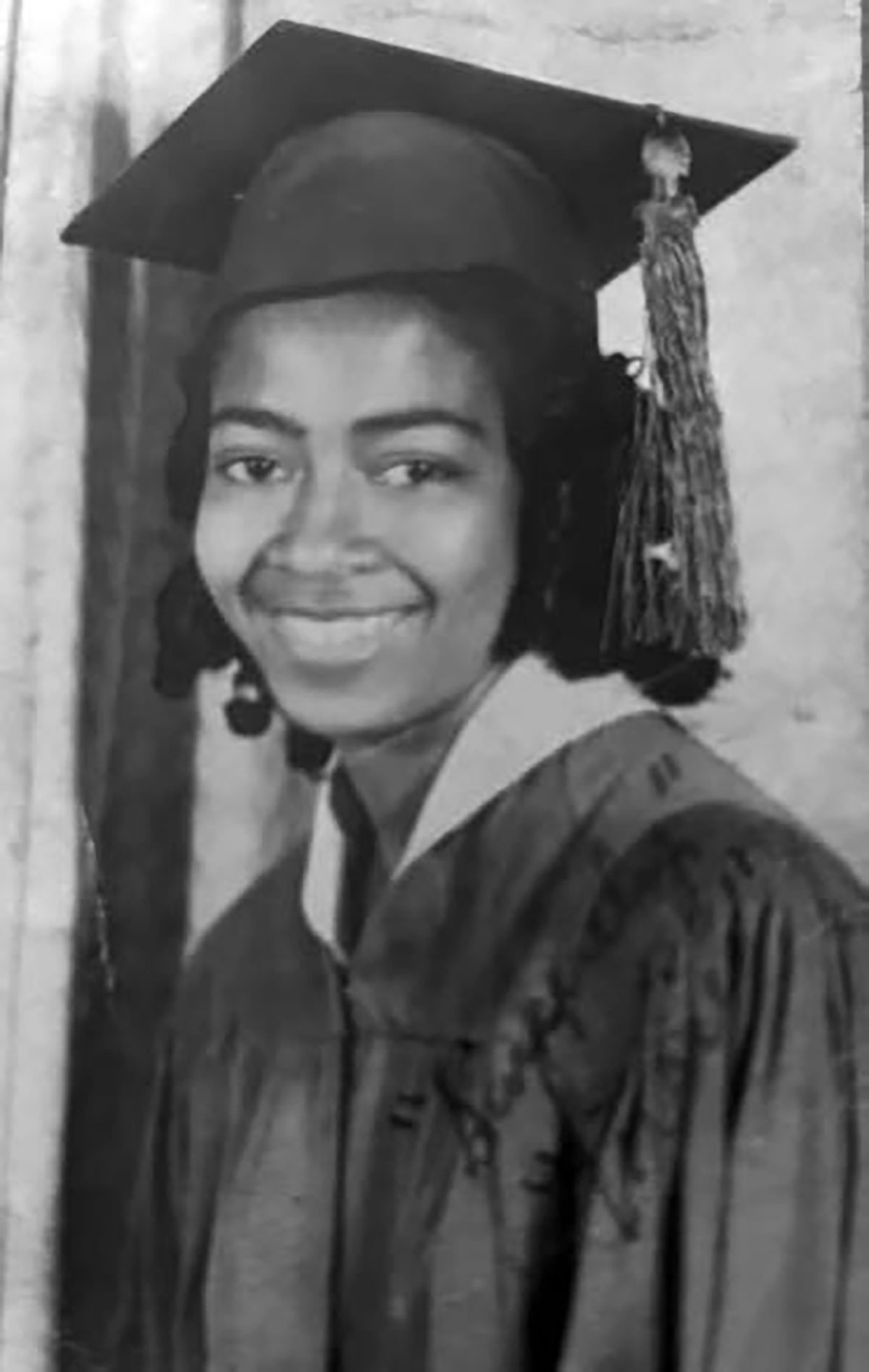
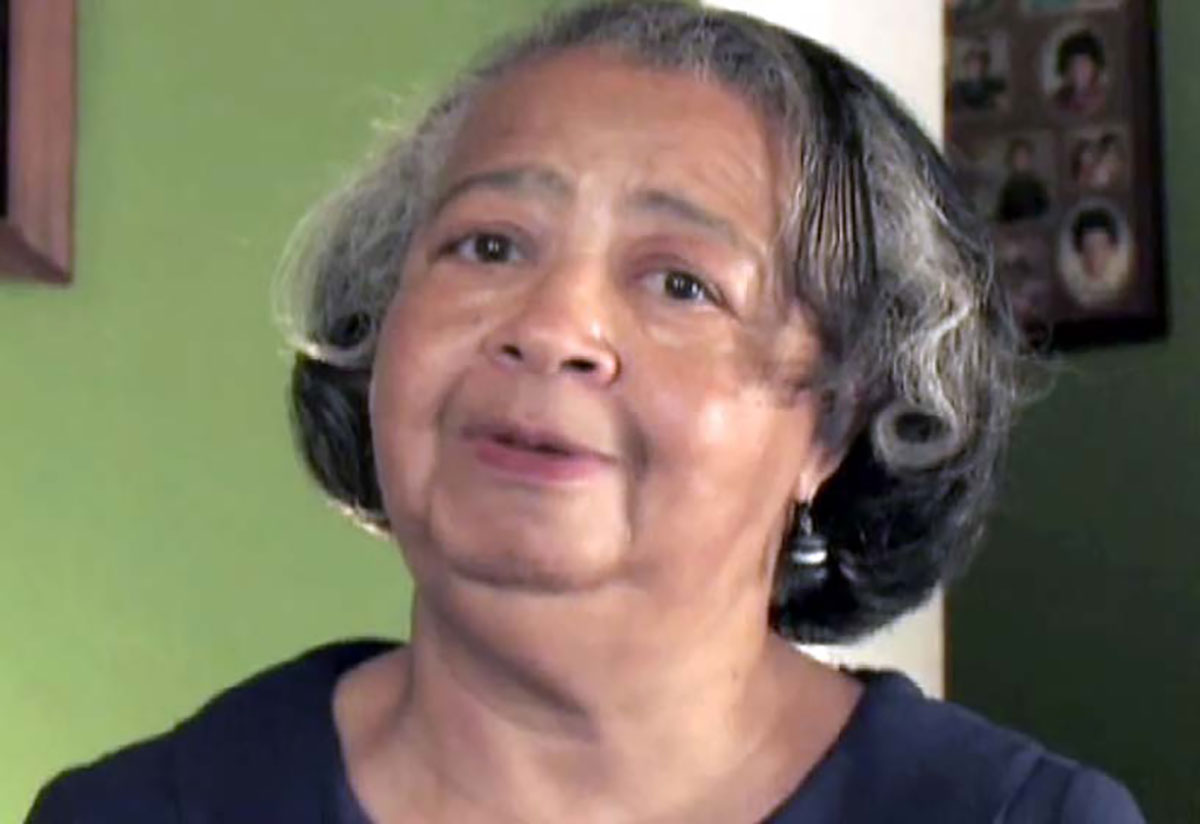
Versie Jackson paved way for integration at Lamar
“I would say she was definitely one of the sweetest people I’ve ever met in my entire life,” Candice Jackson, said of her grandmother, Versie Lee Jackson. “She never met a stranger. Everybody was always like a friend or somebody that she just hadn’t met yet.”
Versie was a mother, wife and high school graduate who aspired to become a kindergarten teacher.
“In the way that all grandparents always do, she would spend time with us, go to church with us, pick us up in school sometimes.” Chris Jackson, Versie’s grandson, said. “In high school, I was in the academy and we had to do community service. I would do community service with her, going around to visit people. So, that leaves a mark on you, seeing her interact with people.”
Versie, who was African American, attended Prairie View A&M University, an HBCU, but wanted to be closer to her family in Beaumont. She was a bright student and hoped to go to Lamar State College of Technology, which later became Lamar University.
In 1956, Versie applied to Lamar State only to be told by the registrar’s office that she could apply but she would not be accepted because of her race. Despite the warning, Versie applied anyway, not knowing how big the situation was to become.
In 1954, the Brown v. Board of Education Supreme Court case ruled that the U.S. state laws establishing racial segregation in public schools violate the Equal Protection Clause of the Fourteenth Amendment. In other words, Versie should be able to apply to the school based on her academic achievement, not her race.
Beaumont attorneys Theodore Johns and Elmo Willard III offered to represent Versie in her case but remained skeptical that the courts would treat them fairly.
According to the documentary, created by the University of Texas and Chris Jackson, Shepard warned Judge Cecil, the judge over the case in Jackson v. McDonald (1956) admitting that the African Americans in the case of Sweatt v. Painter were “discontented and aroused in a community between the races residing by too hasty forcing of a claimed right of two puppets dangled before this court of a national racial organization.”
Hemann Marion Sweatt was represented by Thurgood Marshall and the NAACP. Sweatt wanted to attend the University of Texas, according to the Texas State Historical Association the president of the University of Texas admitted he was qualified but could not attend due to his race. Sweatt’s case reached the supreme court who ruled in Sweatt’s favor citing that the Equal Protection Clause of the Fourteenth Amendment also applied in this case. Sweatt should be allowed to attend college based on his academic achievements.
At the time, there were petitions created by the students at Lamar State College who supported the rights of people of all races to attend the school. Even though the students welcomed Versie, there were riots against the integration of the college. According to Candice Jackson, Versie was afraid something would happen to her or her family.
“I think about the quote, ‘Speak softly and carry a big stick.’ That’s exactly what she did,” Candice said.
According to the Dallas Records Office, John Ben Shepard has attempted to fight against the NAACP, including probing the headquarters of the NAACP, Texas chapter office to look for barratry and tax fraud. Once John and Willard joined the case, Sheppard saw them as no exception.
Judge Lamar Cecil ruled that Versie Jackson and any other African Americans had the right to attended Lamar State College.
Although Versie was a bright student, she was forced to drop out after a semester to take care of her family. However, as a result of her fight, Versie’s daughter, son, sister-in-law and granddaughter were all able to attend Lamar.