
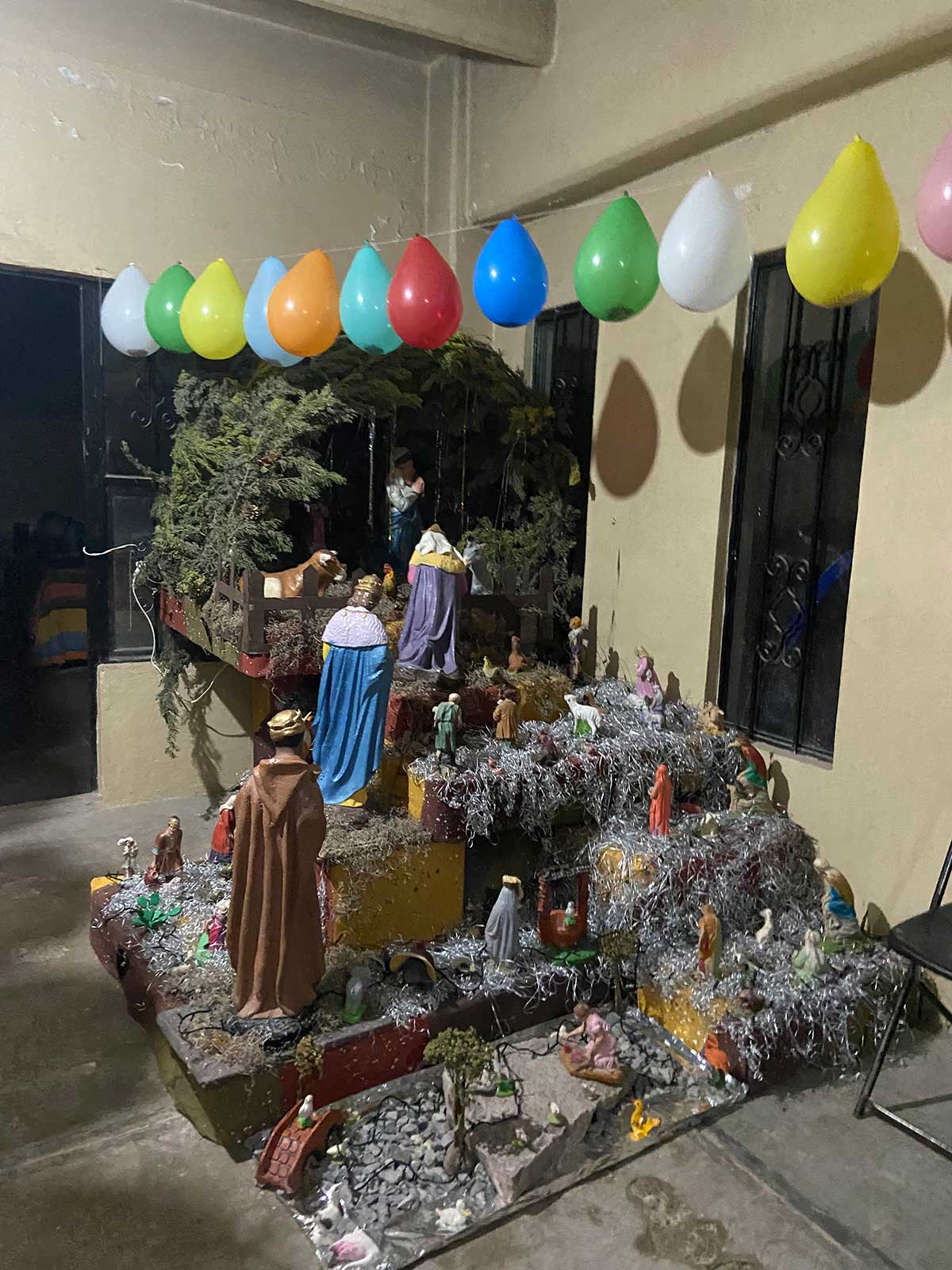
Families gather to celebrate and exchange gifts during Christmas, marking the end of the season. However, the season sees additional celebrations in parts of Latin America.
“Día de los Reyes Magos,” or Three Kings’ Day, is celebrated on Jan. 6. The holiday honors the journey of the wise men Balthazar, Gaspar and Melchior to visit baby Jesus.
The wise men learned about the birth of Jesus and followed a star to Bethlehem to visit him. They arrived with gifts for baby Jesus, such as gold, frankincence and myrrh.
Families gather to celebrate the religious holiday with gift-giving and traditional feasts.
Typically, in the U.S., Santa Claus brings gifts for children who have been nice throughout the year on Christmas Eve. During Three Kings’ Day, in countries such as Mexico, the wise men bring gifts to children similar to the biblical story.
The children write letters and place them in their shoes. Some children leave water and food for the king’s camels. They then place their shoes near the entryway, and the gifts are left in the shoes. This represents when the three kings brought gifts to baby Jesus.
During Christmas Eve, a porcelain baby Jesus is put to bed in the nativity scene. Baby Jesus lies in the Nativity scene until Candlemas, Feb. 2, but preparations begin on Three Kings Day.
The staple food of the traditional feast is Rosca de Reyes, known as King’s Cakes.
The Rosca is a sweet, orange-flavored bread topped with dried fruits, representing the jewels on the three kings’ crowns. The round shape symbolizes God’s eternal love. Hidden in the cake are figurines of baby Jesus.
The birth of Jesus was a threat to Herod the Great’s throne, so he ordered the death of all the Jewish male children, known as the Massacre of the Innocents. The hidden baby Jesus figurines represent when Mary and Joseph hid Jesus from Herod’s persecution.
The slicing of the Rosca by a knife represents the danger that baby Jesus faced during the persecution.
The tradition is that whoever receives a slice of the Rosca with a baby Jesus must provide tamales and host the gathering on Candlemas.
People have resorted to slicing a thin piece or hiding the figurine in their mouth to avoid making tamales, as it’s a labor intensive process. However, it is believed that whoever gets the figurine will have good luck for the year.
Candlemas closes the holiday season, as baby Jesus is presented in clothing and taken to mass. The holiday season lasts 40 days, representing the length after Jesus was presented in front of the church after his birth.
Although the holiday has ties to religion, it has evolved into different cultural celebrations. Families gather to celebrate, spend time with each other, and remember the meaning behind the holidays.