
How horror outgrew the mask and the machete
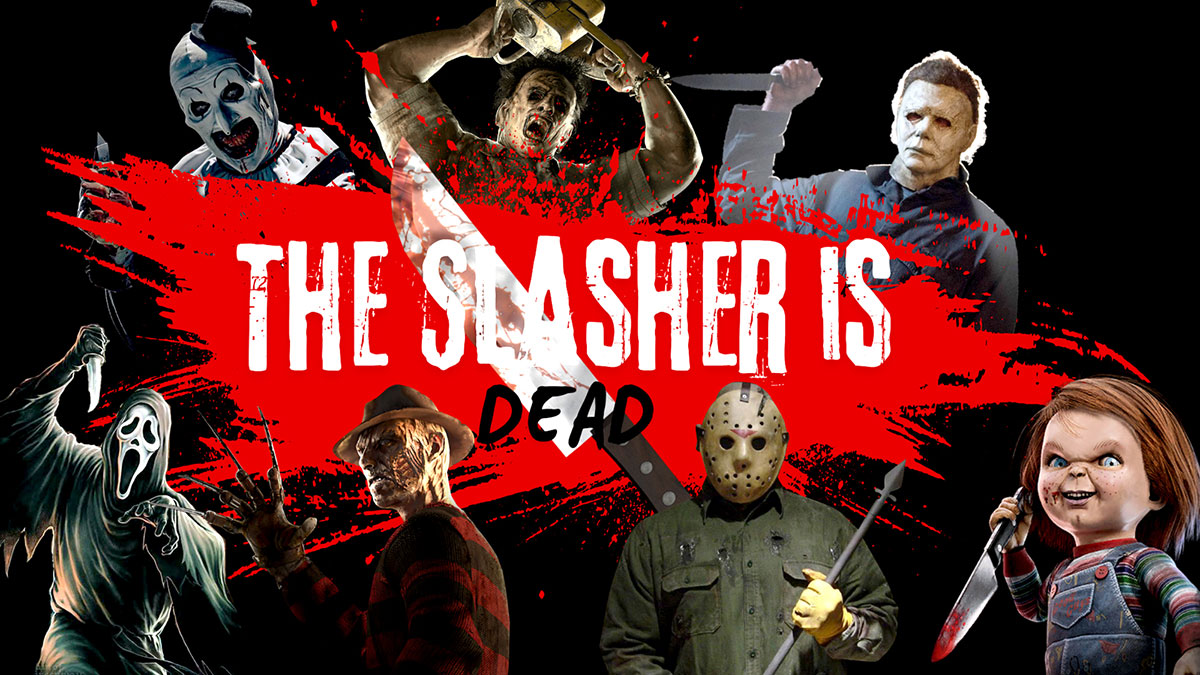
Once upon a time, a masked killer and a bloodcurdling scream were enough to make audiences jump. Nowadays, it feels like the knife has dulled.
From “Halloween” to “Friday the 13th,” slasher films dominated horror for decades, defining generations of moviegoers who couldn’t resist a good scare. The slasher genre, once thrilling and rebellious, has become predictable, outdated and out of touch with what really scares us today.

The problem isn’t just that we’ve seen it all before — it’s that slasher movies rarely have anything new to say. The formula hasn’t changed much since the 1980s — a group of attractive teens, a remote setting, and a killer picking them off one by one. Audiences can practically guess who survives before the opening credits end. What once shocked and subverted expectations has turned into a tired routine.
Modern horror has evolved far beyond blood and body counts. Films like “Get Out”, “Hereditary” and “The Babadook” prove that audiences crave psychological depth, social commentary and creative storytelling. Instead of relying on jump scares, today’s best horror movies tap into real-world fears — racism, grief, identity and technology. Compared to that, another masked villain with a machete feels almost cartoonish.
There have been attempts to redefine the genre; however, the new approach that slasher creators have grown accustomed to is showcasing gruesome acts of violence. A great example of this would be the “Terrifier” franchise.
Fans often defend “Terrifier” as “pure” slasher cinema — unfiltered and unapologetic. But that’s precisely the problem. The genre has devolved into a contest of brutality, where plot and character are optional. Violence used to serve the story. Now, the story serves the violence. Watching “Terrifier 2,” it’s hard to tell where horror ends and sadism begins.
The worst part? The franchise’s popularity has encouraged imitators. Indie horror has begun chasing the same formula: more gore, less plot. Instead of evolving, the slasher genre has regressed into a carnival of cruelty. The artistry of tension-building — the dark corridors, the silent footsteps, the moment before the kill — has been replaced by lingering close-ups of mutilation.
That doesn’t mean there’s no place for gore or campy fun. Horror fans will always enjoy a good scream. But the genre deserves to evolve to explore new fears and perspectives that reflect the world we actually live in. We’ve already survived enough remakes, reboots, and “requels.” It’s time to let the slasher rest in peace.
After all, what’s scarier than realizing the same story has been killing creativity for decades?